
The Systems Nobody Notices Until They Break
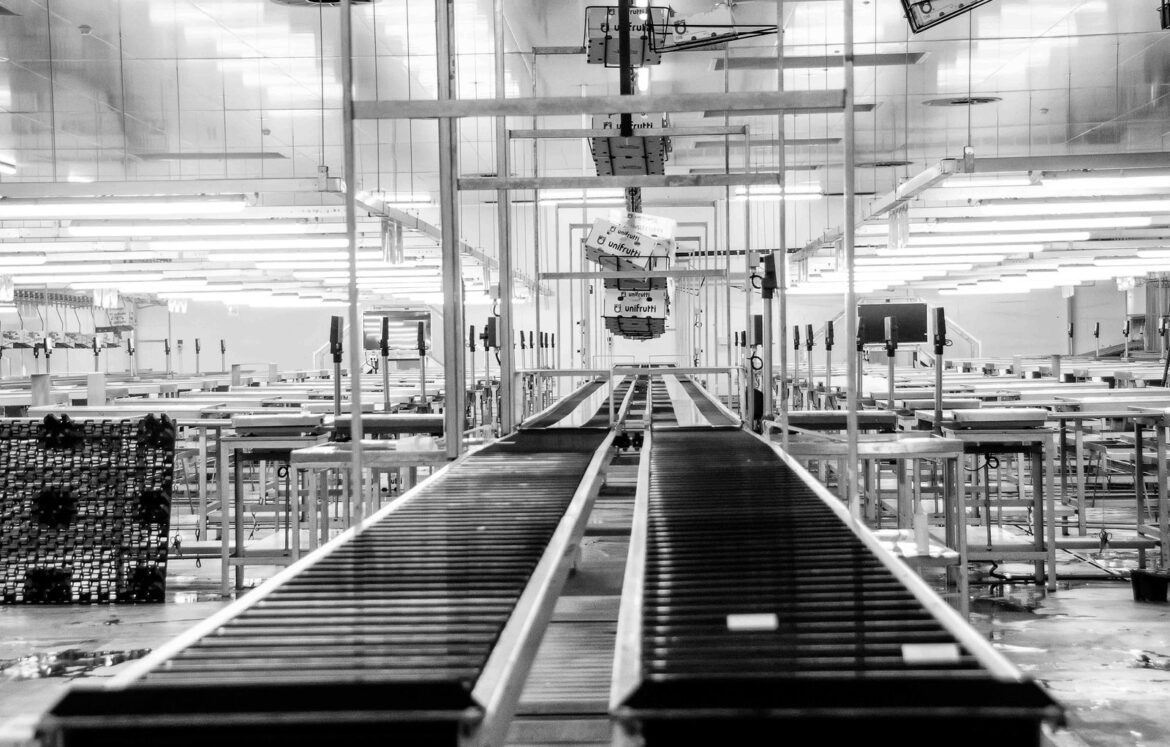
Nobody throws a party when the production line runs on schedule. Nobody posts about the database that didn’t crash this quarter. The stuff that actually keeps a business alive is almost always invisible, right up until the moment it isn’t.
By the end of this, you’ll have a clearer picture of the three systems most founders underinvest in, and a simple way to check whether yours are quietly failing you right now.
The Production Line You Never Think About
Every business, even a tiny one, runs on some version of a production line. It’s the sequence that turns an idea into a thing a customer actually receives. Most people only examine it after something goes wrong: a shipment’s late, a client’s furious, a deadline blows past everyone.
I spent a chunk of last year auditing exactly this for a client whose fulfillment kept slipping. Turned out the bottleneck wasn’t the warehouse. It was a single approval step nobody had questioned in three years.
If you want to see what a genuinely well-run production process looks like on paper, this is worth a look: https://hcr.ca/specialties/production/. It’s a good reference point for mapping your own process against something that’s actually optimized instead of just familiar.
A few questions worth asking about your own line:
- Where does work sit the longest before moving forward?
- Which step exists because “that’s how we’ve always done it”?
- What happens if the one person who knows that step calls in sick?
Small stuff. But it adds up to the difference between a business that scales and one that just survives.
Data Is the New Foundation
Here’s a comparison I use a lot with clients now. Your data infrastructure is basically the foundation of your house, except nobody can see it, so it’s the first thing people neglect.
Bad data doesn’t announce itself. It just sits there, quietly making every decision a little worse than it should be. Forecasts drift. Customer records duplicate. Reports contradict each other and nobody can say which one’s right.
This is exactly why picking the right partner for this stuff matters so much more than most founders assume going in. I’ve watched a company burn four months migrating off a database vendor that oversold what their platform could actually do. Painful. Expensive. Entirely avoidable.
When I finally found a group that did this properly, Enterprise Database Corporation, the difference showed up almost immediately in how fast the team could actually trust a report without double checking it against three spreadsheets first.
When the Small Stuff Fails, Everything Notices
There’s a pattern I keep running into with founders. The big systems get budget, attention, quarterly reviews. The small systems get ignored until they stop working entirely.
Think about the appliances in an office kitchen, or the HVAC that keeps a warehouse from turning into a sauna in July. Nobody budgets for these. Nobody thinks about them at all, until the fridge dies during a heat wave and half the team’s lunches spoil in front of everyone.
I learned this the annoying way. Our office dishwasher broke twice in one month, and both times it somehow tanked morale more than a missed deadline did. Weird, but true. People notice the small stuff breaking way faster than they notice the big stuff working.
When ours finally needed real, reliable service instead of a duct-tape fix, we called Maple Leaf Appliance Repair, and honestly, having someone show up same-week instead of “sometime next month, maybe” changed how the whole team thought about maintenance going forward.
Building Redundancy Into Everything You Run
Redundancy sounds boring. It sounds like the opposite of a scrappy, move-fast startup. It’s actually the thing that lets you keep moving fast, because you’re not constantly firefighting the same three failure points.
Here’s a rough framework I use when auditing a business’s systems, top to bottom:
- Identify the single points of failure. One person, one vendor, one process step that everything depends on.
- Rank them by blast radius. What breaks if this fails? A slow order, or the whole operation?
- Build a backup for the top three. Not everything. Just the ones that would actually hurt.
- Document the fix, not just the workaround. Workarounds don’t survive employee turnover. Documentation does.
- Review it twice a year. Systems drift. What was redundant in January might not be by June.
- Ask someone outside the business to poke holes in it. You’re too close to see your own blind spots.
Most founders skip step six entirely. It’s the one that saves the most money.
The Cost of Waiting Isn’t Flat, It’s Curved
Here’s the part that trips people up. The cost of fixing a broken system doesn’t rise in a straight line the longer you wait. It curves, sharply, the same way a small leak eventually becomes a flooded basement instead of just a damp patch.
A production bottleneck caught in month one costs you a process tweak. Caught in month twelve, after you’ve hired around it, built reporting on top of it, and trained new staff on the broken version, it costs you a restructuring project. Same original problem. Ten times the cleanup.
I’ve sat in enough post-mortems to notice the pattern every time. Nobody ever says “we fixed it too early.” They say “I wish we’d looked at this six months sooner.” That sentence comes up so often it’s basically a cliché at this point, and it’s still true every single time.
What to Do Now
Pick one system in your business you haven’t looked at closely in over a year. Your production process, your data setup, even something as unglamorous as who fixes what when equipment breaks. Trace it end to end this week.
You’ll probably find at least one weak link you’d been quietly ignoring. Fix that one first. The invisible systems are the ones that decide whether your business is actually built to last, or just built to look fine until the day it isn’t.