
What Precision Manufacturing Taught Me About Buying for My Kids
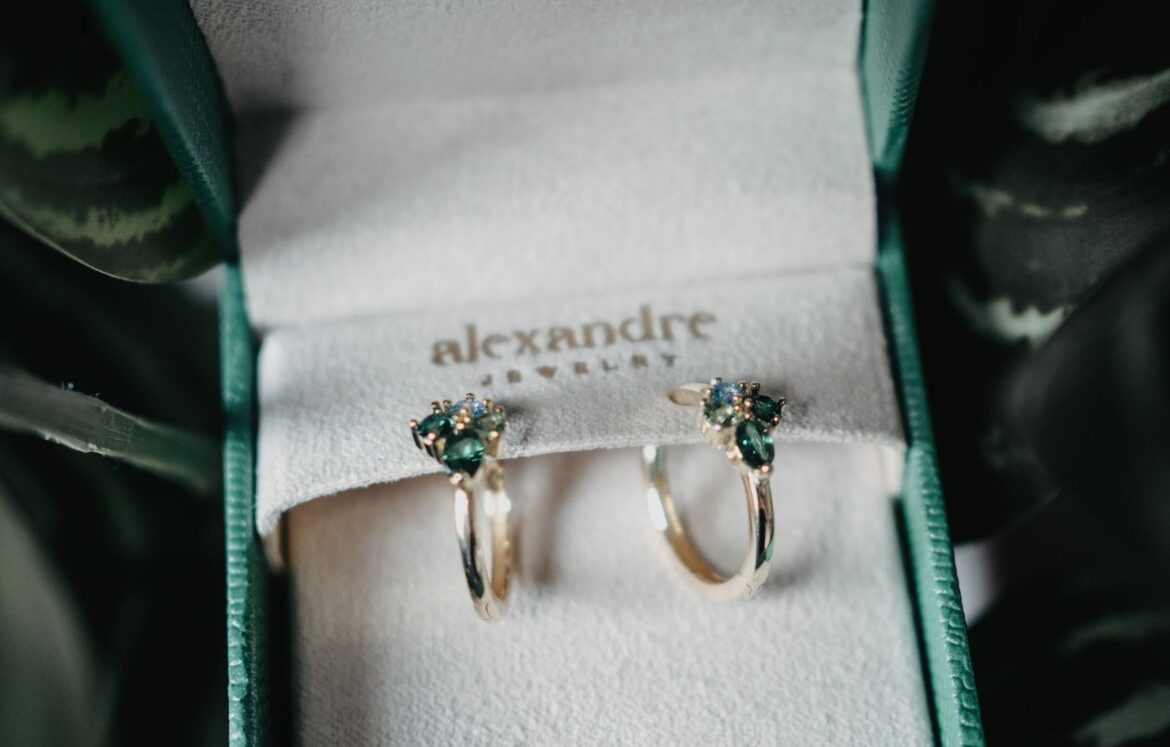
I toured a packaging automation facility last spring for an entirely unrelated story, and walked out thinking about my daughter’s earrings the whole drive home. Strange connection, I know. Stick with me on this one.
Here’s the promise. By the end of this, you’ll have a genuinely useful filter for telling the difference between products that just look premium and products that actually earned it.
The Machines That Don’t Cut Corners
Watching an automated production line up close changes how you think about quality. Every single unit gets checked. Not a sample batch, not “good enough” tolerances. Every one, consistently, because the machine doesn’t get tired or bored on hour seven of a shift the way a person does.
That kind of consistency is rare, and it’s rarer still in industries that don’t get this level of scrutiny. I asked one of the engineers what actually changes when a company invests properly in this kind of process, and his answer stuck with me: fewer returns, fewer complaints, and customers who quietly become repeat buyers without ever really thinking about why.
If you’re curious what this actually looks like in practice, MPAC Group has a solid breakdown of how modern automated packaging changed what “quality control” even means for manufacturers who take it seriously.
Smart Money Goes Toward What You Can’t See
Here’s a pattern I’ve noticed across every category, from appliances to kids’ products. The companies actually worth paying more for rarely advertise the boring stuff that makes them worth it. The metal alloy. The clasp mechanism. The testing process nobody sees.
Most of us, myself included for years, judge quality by what we can see. Shiny packaging, nice branding, a good photo. That’s backwards. The real signal is usually in the parts you’d never think to check.
I started paying more attention to this after reading through Simply Whispers’s approach to what actually justifies a higher price point versus what’s just marketing dressed up as premium. It reframed a lot of purchases I’d made without really thinking them through.
A few questions I now ask before spending more on anything for my kids:
- What’s the actual material, not just the marketed material
- Has this been tested for the specific use case, not a generic one
- Would I trust this on my own skin, not just theirs
- Is the higher price paying for quality, or just paying for a logo
Four questions. Takes thirty seconds. Saves a surprising amount of regret.
Kids’ Products Deserve the Same Scrutiny as Anything Else
This is where the automation tour actually connected for me. My kid’s earrings don’t get manufactured on a line with the same obsessive quality checks as, say, a medical device. But they’re touching her skin every single day, and a lot of cheap children’s jewelry uses metals that genuinely shouldn’t be anywhere near sensitive skin.
I didn’t think about this until a friend’s daughter had a reaction to a pair of earrings that looked fine, felt fine, and turned out to be full of nickel. Small thing. Big consequence for a seven year old with a raw earlobe for two weeks.
Since then I’ve gotten a lot more particular, and honestly a lot more educated, about best earrings for kids specifically, because the standards for adult jewelry and kids’ jewelry really aren’t the same thing, even though most stores sell them right next to each other like they are.
Things I check now before buying anything that touches my kid’s skin:
- Hypoallergenic materials, specifically, not just “gentle” as a vague claim
- Actual metal composition listed, not just “jewelry grade”
- Reviews from other parents of kids with sensitive skin specifically
- Return policy, in case her skin reacts anyway
Style Doesn’t Have to Compete With Safety
Here’s the part I didn’t expect. Once I started filtering for safety first, the style options didn’t actually shrink the way I assumed they would. If anything, the brands doing the safety piece right tend to also nail the design piece, probably because they’re the kind of company that sweats details across the board, not just the ones customers can see.
That’s the real thread connecting a packaging automation facility to a pair of kids’ earrings, weirdly enough. Precision and care show up in the parts you don’t notice, and they usually show up together, not separately.
What to Do Now
Next time you’re buying something for your kids, whether it’s jewelry, an appliance, or anything that touches their skin daily, spend the extra two minutes checking what it’s actually made of, not just how it’s marketed. The companies sweating the invisible details are almost always the ones worth your money.
A Habit That Takes Thirty Seconds
I’ve turned this into an actual habit now, not just something I think about occasionally. Before any purchase for my kids past a certain price point, I do one quick search on the material and manufacturing process. Just one. Takes less time than reading the product description most stores already make you scroll through anyway.
It’s caught things I wouldn’t have noticed otherwise. A “hypoallergenic” claim with no actual metal composition listed. A toy with a paint finish that hadn’t been tested for the age range it was marketed to. Nothing dramatic, just small red flags that would’ve slipped past me a few years ago when I judged everything by how it looked in a photo.
None of this requires becoming an expert in manufacturing or materials science. It just requires treating the invisible stuff with the same seriousness you’d give the visible stuff, which honestly should’ve been the default all along.