Gearing Up Right: What Actually Matters on Your Next Hunting Trip
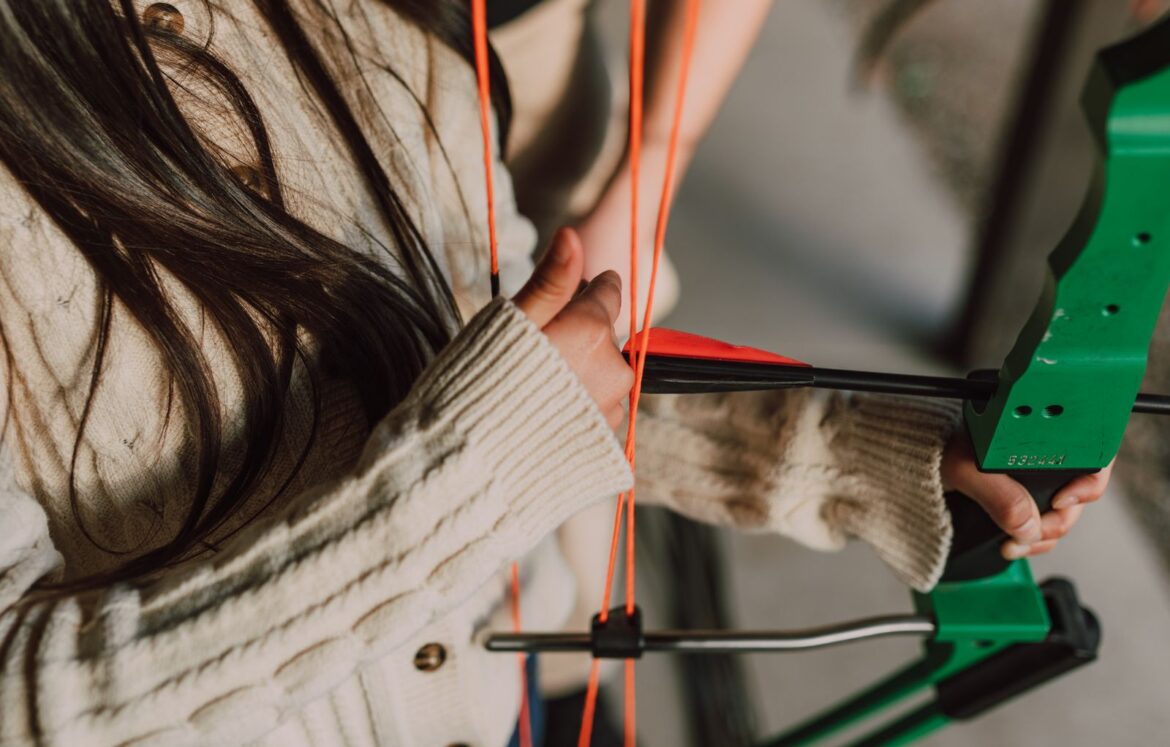
I used to think hunting gear was mostly about the weapon. Spend on the crossbow, skimp on everything else, and you’re set. That thinking cost me a genuinely miserable trip a few years back, sore shoulders, missed shots I should’ve made, and a pack full of arrows that weren’t right for what I was actually hunting.
Here’s the promise. By the end of this, you’ll know the three pieces of gear that quietly matter more than most hunters give them credit for, and why skimping on any of them undermines everything else you’ve invested in.
Stability Beats Everything Else First
Here’s a fact most beginners underestimate. A shaky base ruins accuracy faster than almost anything else in your setup. Doesn’t matter how good your weapon is, or how much you’ve practiced, if you’re not stable when the shot actually matters.
I found this out the hard way on a trip where I’d invested heavily in the crossbow itself and treated the support gear as an afterthought. Big mistake. Every shot felt slightly off, and I couldn’t figure out why until another hunter pointed out my setup was wobbling more than I’d noticed.
Choosing the right tripods for shooting solved this almost immediately once I actually prioritized it. The difference in consistency was honestly bigger than any upgrade I’d made to the weapon itself, which tells you something about where the real value was hiding the whole time.
A few signs your current setup might be holding you back more than your skill level:
- Shots feel inconsistent even when your form feels right
- You’re more fatigued by midday than the physical exertion should explain
- Adjustments between shots take longer than they should
- You’ve blamed “bad luck” for more misses than seems statistically likely
Weight Changes Everything Over a Long Day
Here’s something nobody really explains to new hunters clearly enough. The weight of your equipment doesn’t matter much for the first hour. It matters enormously by hour six, when fatigue starts affecting your grip, your patience, and eventually your accuracy.
I carried a heavier setup for years, assuming the extra weight meant extra quality. Half true, at best. What I actually got was exhaustion that crept in earlier every trip, degrading my performance right when a shot opportunity actually showed up.
Switching to a light crossbow changed the entire feel of longer trips for me. Less fatigue by afternoon meant more focus when it counted, which turned out to matter far more than the marginal power difference I gave up by going lighter.
A rough breakdown of what weight actually costs you over a full day:
- Early morning, weight barely registers, adrenaline covers for it
- Midday, fatigue starts compounding, form quietly degrades
- Late afternoon, exactly when patience and precision matter most, exhaustion peaks
- The shot you’ve been waiting for all day happens right at your weakest point
Arrows Are Not the Place to Cut Corners
Here’s the last piece, and honestly the one people cheap out on most often without realizing the actual cost. Arrows feel like a commodity item, interchangeable, not worth obsessing over compared to the weapon itself. That assumption is backwards.
The right arrow for your specific setup and specific game changes everything about accuracy, penetration, and consistency. A mismatched arrow undermines even a perfectly tuned weapon and a rock-solid stable base, which makes it a strange place to save money after investing properly in everything else.
Finding best hunting arrows matched to your actual setup, not just whatever’s cheapest at the store, closes the loop on everything else you’ve invested in. It’s the final piece that either validates all your other gear decisions or quietly undermines them.
Putting It All Together
None of these three, stability, weight, arrow selection, matter much in isolation. A stable tripod with the wrong arrows still misses. A light crossbow with a shaky base still shakes. It’s the combination that actually produces the consistent, accurate trip you’re after, not any single upgrade in isolation.
What to Do Now
Before your next trip, audit your setup against all three of these instead of just upgrading whatever feels most exciting to replace. Stability first, weight second, arrows matched properly third.
Most hunters chase the flashy upgrade. The ones who actually improve their trips fix the boring stuff first.
A Simple Pre-Trip Checklist Worth Adopting
I’ve started running through a short checklist before every trip now instead of just grabbing gear and heading out, and it’s caught small issues before they became trip-ruining problems more than once.
- Stability check on the tripod, tightened and tested, not just visually inspected
- Total pack weight, honestly assessed against how many hours you’re actually planning to be out
- Arrow inventory matched to the specific game and conditions expected that day
- A quick test shot before the trip, not just before the season starts
Four items, takes maybe ten minutes total. That’s a small time investment against the alternative, discovering a problem mid-trip when there’s no easy way to fix it and the moment you’ve been waiting for all day slips by because of something you could’ve caught at home.
The hunters who consistently have better trips aren’t necessarily more skilled with the weapon itself. They’ve just built habits around checking the boring fundamentals every single time, instead of assuming last trip’s setup is automatically still good this time around.