Gear Up for the Outdoors, Then Go Home and Protect the Pipes
There’s a specific kind of person who spends real money on outdoor gear every season and then completely ignores their own house until a pipe bursts in January. I was that person for longer than I’d like to admit. Great tripod, terrible plumbing insulation.
Here’s the promise. By the end of this, you’ll have a short, practical list covering both sides of that gap, the outdoor gear worth investing in and the unglamorous home protection that keeps a good season from turning into an expensive winter.
Gear That Actually Earns Its Price Tag
Not all outdoor gear is worth the hype. Some of it’s genuinely transformative, and some of it’s marketing dressed up as necessity. Knowing the difference took me a few expensive mistakes to figure out.
The stuff that’s actually worth it tends to share a pattern. It solves a real stability or comfort problem, not a cosmetic one. A better jacket that actually keeps you dry matters. A slightly different color of the same jacket doesn’t.
Investing in a best hunting tripod falls squarely into the “actually matters” category for anyone serious about outdoor precision work, whether that’s hunting, photography, or anything requiring a genuinely stable base in unpredictable terrain.
A quick filter I use now before any outdoor gear purchase:
- Does this solve a stability, safety, or comfort problem, specifically
- Would I notice the difference on a bad-weather day, not just a perfect one
- Am I buying this because I need it, or because it’s the newest version of something I already own
- Will this still matter to me in five seasons, or is it a trend
The Winter Prep Everyone Skips Until It’s Too Late
Here’s the flip side of all that outdoor enthusiasm. The same person who researches gear for months barely thinks about their own home’s winter readiness until something’s already frozen and dripping through a ceiling.
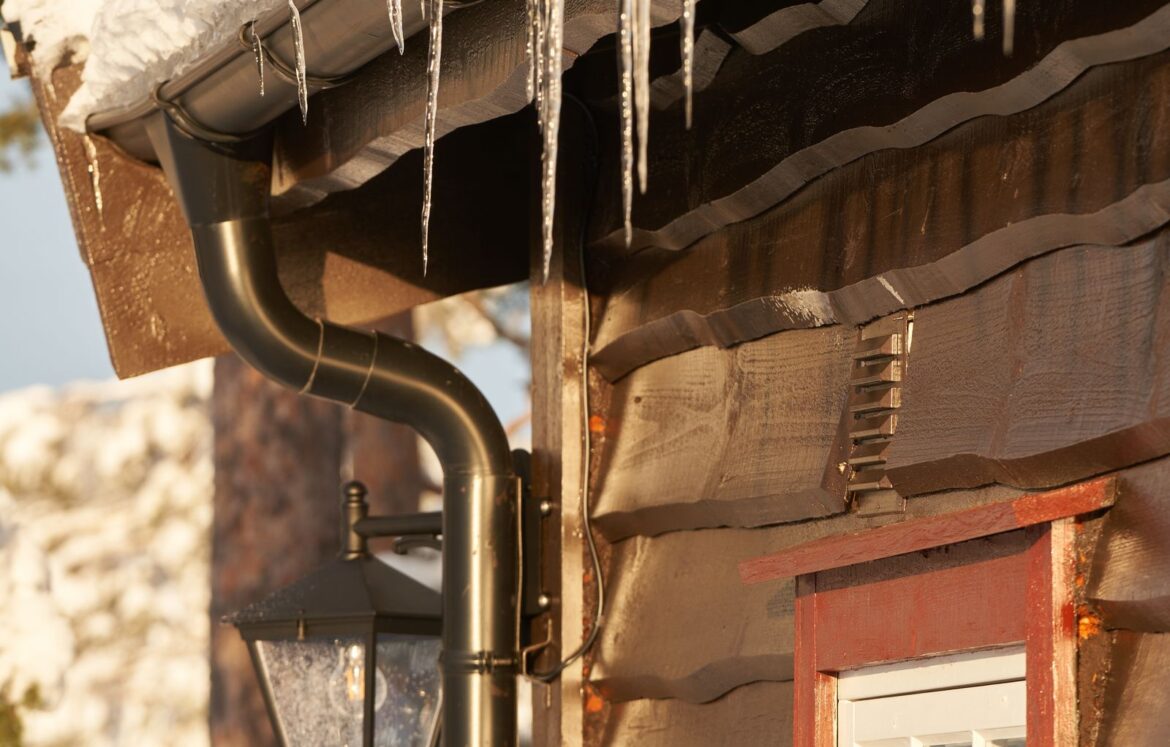
Frozen pipes aren’t rare. They’re extremely common, and almost always preventable with something as simple and unglamorous as proper insulation before the cold actually sets in. I learned this after ignoring an exposed pipe in my garage for two winters, the third time it finally cracked, and the cleanup cost more than years of prevention would have.
Installing heating cable along vulnerable pipe runs is one of those fixes that feels excessive right up until the first genuinely cold night, and then feels like the smartest twenty minutes you spent all season.
The Wrap That’s Cheaper Than the Alternative
Beyond active heating solutions, there’s a simpler layer of protection that gets overlooked constantly, basic insulation wrap around exposed pipes. It’s inexpensive, it’s not particularly technical to install, and it prevents the majority of freeze-related damage on its own.
I used to think insulation wrap was a nice-to-have, something you’d add if you had spare time and money after the “real” projects were handled. That’s backwards thinking, and an expensive one. A burst pipe doesn’t care how busy your winter project list was.
Adding proper heat wrap for pipes to anything running through an unheated space, garage, crawlspace, exterior wall, is genuinely one of the highest return-on-investment fixes available to any homeowner heading into cold weather.
A simple priority order for winterizing exposed pipes:
- Identify every pipe running through an unheated or exterior space
- Wrap the highest-risk sections first, the ones most exposed to direct cold
- Add active heating cable to anything with a history of freezing already
- Check insulation annually, it degrades and shifts over time
Why These Two Categories Rarely Get Equal Attention
Outdoor gear is exciting to research. There’s a whole culture built around comparing options, reading reviews, getting genuinely enthusiastic about a slightly better tripod head or a marginally lighter pack. Pipe insulation has none of that appeal. It’s boring, it’s invisible once installed, and nobody’s writing enthusiastic forum posts about their heat wrap purchase.
That gap in enthusiasm doesn’t reflect the actual stakes involved. A bad piece of gear costs you a slightly worse trip. A frozen, burst pipe costs you thousands in repairs and weeks of disruption to your actual home. Worth remembering that imbalance the next time you’re deciding where your winter prep budget and attention should actually go.
What to Do Now
Before you spend another dollar on outdoor gear this season, do a quick walkthrough of your own home’s exposed pipes first. Wrap what needs wrapping, add heating cable where it’s genuinely needed, and then go enjoy whatever gear upgrade you’ve been eyeing with a clear conscience.
Protecting your home doesn’t have to compete with enjoying the outdoors. It just has to happen first.
The Overlap Nobody Talks About
Here’s an angle that took me a while to fully appreciate. The same discipline that makes someone good at outdoor precision work, patience, attention to small stability details, willingness to do the unglamorous prep before the exciting part, is exactly the discipline that makes someone good at protecting their own home before winter hits.
It’s not a coincidence that the people I know who take their gear seriously, actually testing stability, actually maintaining equipment between trips, also tend to be the ones whose pipes never freeze. It’s the same underlying mindset applied to two different problems. Prep matters more than the exciting part, and the people who internalize that in one area of their life usually carry it into others without even thinking about it consciously.
If you’re someone who already takes gear prep seriously, you likely already have the exact mindset needed to handle home winterization well too. It just requires actually turning that same attention toward your house instead of only your pack.