
DIY or Call a Pro? A Real Framework for Home Fixes
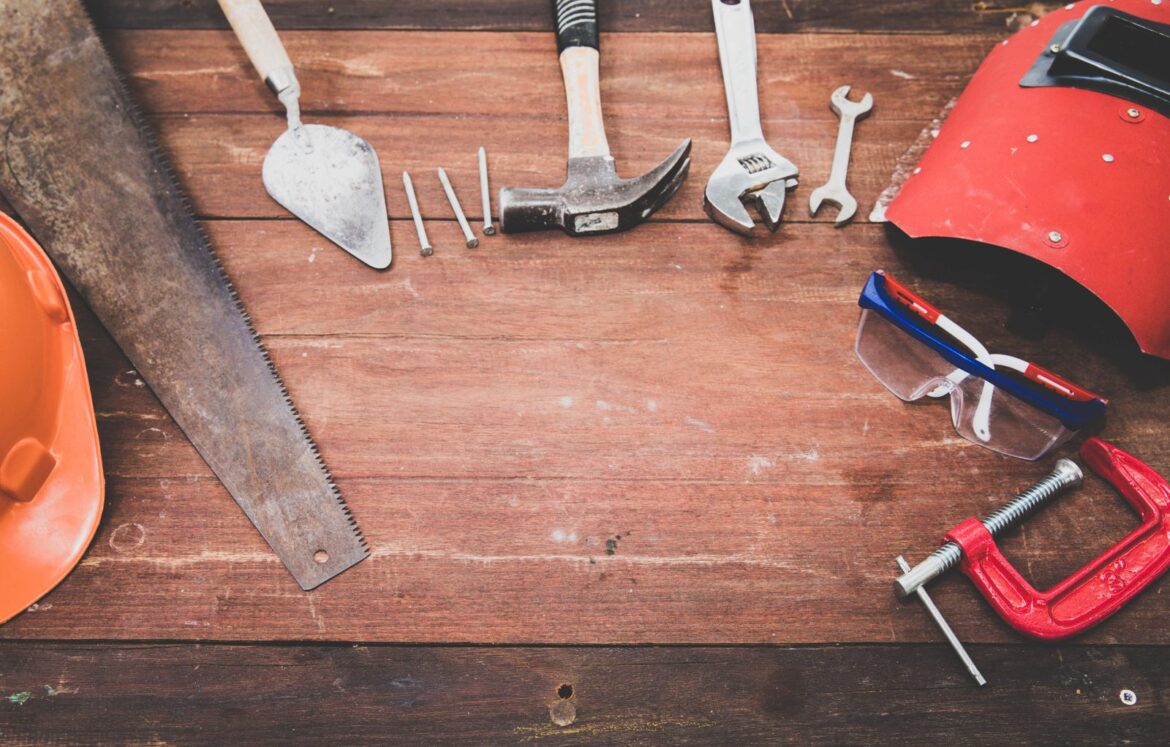
I once spent an entire Saturday trying to fix a dishwasher that, in hindsight, needed a fifteen-minute professional visit and a forty dollar part. I saved nothing. I lost a Saturday.
That’s the trap with home repairs. Half the internet tells you to DIY everything, and the other half tells you to call someone for a squeaky hinge. Neither is right. By the end of this, you’ll have an actual way to decide, fix by fix, which camp you belong in.
The Fixes Worth Doing Yourself
Some home problems are genuinely simple. Not “simple if you already own a table saw,” just simple. A loose cabinet hinge. A running toilet. A drafty window seal. These cost almost nothing to fix and take less time than watching a sitcom episode.
I’ve gotten decent at this category over the years, mostly through trial and a lot of error. My rule now: if a fix takes under thirty minutes and the tools cost less than a service call, I try it myself first.
For tools and quick reference guides, I keep coming back to xcitetech.com whenever I’m not sure what I actually need before starting. Cheap insurance against buying the wrong part twice.
A few small fixes that almost always fall into the DIY bucket:
- Tightening loose cabinet or door hinges
- Replacing a toilet flapper that’s causing a running tank
- Re-caulking around a tub or sink
- Swapping a faucet aerator
- Resetting a tripped breaker (not rewiring, just resetting)
- Patching a small drywall hole before painting
- Cleaning out a slow bathroom drain
Seven items. Not because it’s a magic number, just because that’s honestly where the easy stuff runs out for most homes.
Where DIY Quietly Turns Expensive
Here’s where people get burned. They start a project confident it’s a weekend job, and three hours in they’re standing in a hardware store parking lot googling “how to fix what I just broke while fixing the original thing.”
Appliances are the worst offenders for this. A washing machine that won’t drain looks like a simple fix on YouTube. It’s rarely that simple in your actual laundry room, with your actual model, with parts that stopped being manufactured four years ago.
This is exactly the category where I’ve learned to stop pretending I know more than I do. When something involves refrigerant, gas lines, or a control board, the smart move is calling someone who does this daily instead of someone who watched a video once.
Building a few habits into your home routine helps you catch these problems before they turn into full appliance replacements, which is a big part of why Maple Leaf Appliance Repair Vancouver has become one of the first calls I make now instead of a last resort after I’ve already made things worse.
The Real Cost of Waiting
There’s a version of this mistake that’s even more common than DIY-gone-wrong. It’s just… waiting. Appliance stops working right, and instead of dealing with it, you work around it for weeks. The fridge that’s not quite cold enough. The dryer that takes two cycles now instead of one.
Every week you wait, that appliance is working harder to do less. That’s not free. Your energy bill knows it even if you don’t.
I used to be terrible about this until a repair tech pointed out that the “just a little slow” dryer I’d been living with for two months was costing me almost as much in wasted electricity as the repair itself would’ve cost. That reframed things fast.
Homeowners who call for same day appliance repair the moment something feels off, rather than the moment it fully dies, tend to spend noticeably less over the life of the appliance. Not because the repair itself is cheaper same-day. Because catching it early usually means it’s a smaller repair, period.
A Quick Decision Framework
When something breaks, I run through this short list before deciding who’s fixing it:
- Does this involve gas, electrical wiring beyond a switch, or refrigerant? If yes, call a pro. No debate.
- Is the part under fifty dollars and the fix under thirty minutes? Probably DIY.
- Have I already tried and failed once? Stop. Call someone. You’re now paying twice, in time and in whatever you might’ve broken further.
- Is the appliance still under warranty? DIY repairs can void it. Check first, always.
That’s it. Four questions, and most repair decisions sort themselves out fast.
The Tools That Actually Earn Their Shelf Space
You don’t need a full workshop to handle the DIY half of this list. You need maybe eight tools, used often enough to justify owning them instead of borrowing them every time.
Here’s what actually gets used in most homes, on repeat, versus what sits in a drawer for three years untouched:
- A decent adjustable wrench, not the cheapest one on the shelf
- A multi-bit screwdriver, because nobody wants six single-purpose ones
- Plumber’s tape, always more than you think you need
- A stud finder, mostly so you stop guessing wrong
- Needle-nose pliers for the fiddly stuff wrenches can’t reach
- A small level, for anything you’re hanging on a wall
- Work gloves that actually fit, not the free ones from a hardware demo
Eight items if you count the gloves twice, which honestly you should, because the wrong-size pair gets used exactly once before it’s abandoned.
Buy these once, buy them decent, and the DIY half of your repair list gets a lot less frustrating.
What to Do Now
Walk through your house today and make two lists. One for the small stuff you can knock out this weekend yourself. One for the stuff that’s been “acting up” that you’ve been quietly ignoring for longer than you’d admit out loud.
Handle the first list yourself. For the second, make the call before it turns into a bigger bill than it needed to be. Your future self, and your energy bill, will notice the difference.