
The Small Details That Actually Move the Needle
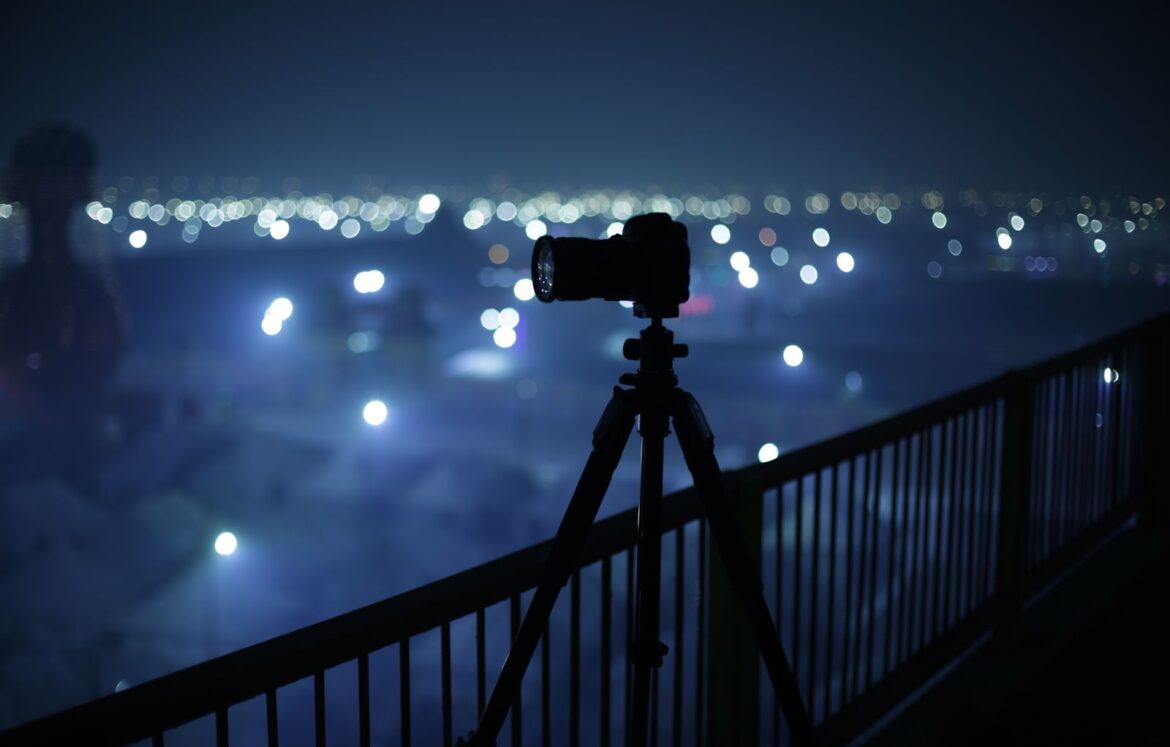
A shaky camera shot ruins an otherwise perfect photo. A wobbly tripod ruins an otherwise perfect shot on a hunting trip. A business with a great product and zero local visibility might as well not exist to the customers searching right down the street. Same principle, three completely different contexts.
Here’s the promise. By the end of this, you’ll see a pattern connecting precision in a hobby, awareness that grows with age, and the small operational details businesses tend to overlook, and hopefully catch a few in your own life you’ve been letting slide.
Why the Base Matters More Than the Gear
Anyone who’s tried to line up a serious shot knows the frustrating truth. The most expensive optics in the world don’t matter if your base is shaking. A tiny amount of instability at the foundation gets massively amplified by the time it reaches the target, whether that target is a photograph, a shot, or anything else that depends on precision.
I learned this the expensive way, buying increasingly nice gear before ever addressing the actual stability problem underneath it all. Total waste. The fix was never the gear. It was the base.
Finding the best hunting tripod for your specific setup solves more problems than people expect, the same way solid local visibility solves more problems for a small business than another round of product improvements ever could. Both are foundational. Both get skipped because they’re less exciting than the flashy stuff on top of them.
A few things that fall into this “boring foundation” category across totally different contexts:
- A stable base before better equipment, in any precision hobby
- Local visibility before more advertising spend, for small businesses
- A consistent routine before more willpower, for personal habits
The Details You Only Notice Later
Here’s a strange thing about getting older that nobody quite prepares you for. You start noticing details you were completely blind to a decade earlier. Not because the details are new. Because your attention finally has room for them, once the louder, more urgent stuff from your twenties and thirties quiets down a little.
I’ve had this experience myself, noticing small things about my own habits, my own environment, even my own reactions to stress, that I simply didn’t have the bandwidth to see when I was younger and constantly reacting to whatever felt most urgent in the moment.
There’s a genuinely good piece on this exact phenomenon if you want to learn more about why this shift happens and what it actually means for how you approach decisions differently as you age. It reframed a lot of what I’d assumed was just “getting more anxious” as actually being more perceptive.
Home Details That Punch Above Their Weight
This same pattern shows up at home too, small, easy to overlook details that quietly shape how a space actually feels to live in, way more than the big, expensive renovations everyone assumes matter most.
I redid an entire room once, new paint, new furniture, the works, and it still felt slightly off. Turned out the actual fix was something tiny, better lighting in one specific corner, that cost almost nothing compared to everything else I’d already spent on the bigger changes.
There’s a solid rundown worth checking on this website about exactly this kind of thing, the small adjustments that outperform expensive overhauls if you actually know where to look first.
Why Small Details Get Ignored in the First Place
There’s an obvious reason all of this gets overlooked so consistently. Small details don’t feel impressive to fix. Nobody brags about stabilizing a tripod base or noticing a lighting gap in one corner of a room. The big, visible changes get all the attention, the credit, the satisfaction, even when they’re not actually the thing making the real difference.
That’s a trap worth naming explicitly, because once you see it, you start catching yourself reaching for the flashy fix instead of the boring one that would’ve actually solved the problem faster and cheaper.
What to Do Now
Look at whatever you’re currently trying to improve, a hobby, a business, your own home, and ask honestly whether you’re addressing the foundation or just adding more on top of an unstable base.
Fix the boring thing first. It’s almost never as satisfying in the moment. It’s almost always the thing that actually moves the needle.
The Discipline of Checking Your Foundation Regularly
Fixing the base once isn’t actually the end of this. Foundations drift over time, whether it’s a tripod that’s loosened slightly, a business’s local visibility that’s slipped as competitors caught up, or a home detail that’s degraded so gradually you stopped noticing it entirely.
I’ve made this mistake myself, fixing something once and assuming it was permanently handled. It wasn’t. A tripod I’d properly stabilized months earlier had loosened again from regular use, and I didn’t catch it until my accuracy had already dropped for a couple of trips in a row.
The actual habit worth building isn’t a one-time fix. It’s a recurring check, built into your calendar the same way you’d schedule anything else that matters. Quarterly for a business’s local visibility. Before every trip for physical gear. Occasionally for home details, walking through with fresh eyes instead of the tunnel vision that comes from living somewhere every single day.
That recurring habit is honestly the real lesson here, more than any specific fix. The foundation isn’t a project you finish. It’s a relationship you maintain.