
Winter-Proofing and Workshop Prep: The Projects Worth Tackling Now
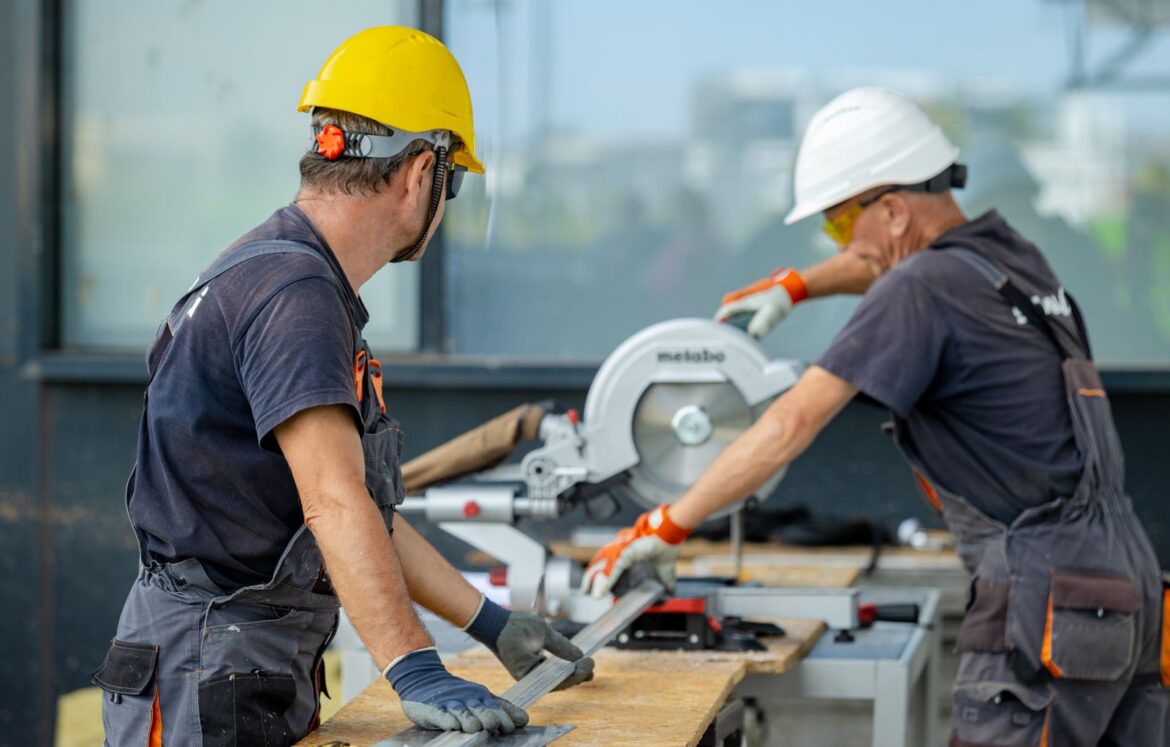
Every year I tell myself I’ll handle winter prep in October, with plenty of time to spare. Every year it somehow becomes a scramble in early December, usually right as the first real cold snap hits and every contractor in town is suddenly booked solid.
Here’s the promise. By the end of this, you’ll have a short, realistic list of what actually matters before the cold sets in, plus a couple of workshop projects worth tackling while you’re in prep mode anyway.
Heating That Doesn’t Depend on a Miracle
The single biggest mistake I see people make with winter prep is waiting until their heating system fails to think about it at all. By then you’re not planning, you’re panicking, and panic-buying anything, heating included, tends to cost more and deliver less.
A smarter approach, especially if your main system is aging or you’re dealing with an older place that struggles to hold heat evenly, is having a backup plan in place before you need it. Not after the first emergency call.
This is where a heat pump rental actually makes a lot of sense for a lot of households, especially if you’re not ready to commit to a full system replacement but need reliable backup heat for the season. It’s the kind of unglamorous decision that saves you from a genuinely miserable emergency call in January.
A few winter prep basics worth knocking out before the first cold snap:
- Check and clean furnace filters, or schedule a professional check if it’s been over a year
- Insulate exposed pipes, especially anything in a garage, crawlspace, or exterior wall
- Test your backup heating option before you actually need it, not during an emergency
- Seal obvious drafts around doors and windows
Workshop Projects Worth the Cold-Weather Downtime
Here’s the upside of winter prep season. Once the heating side is handled, you’ve usually got some genuine downtime before spring projects ramp back up. That’s a solid window for workshop projects you’ve been putting off all year.
I always mean to use this stretch productively and usually end up doing exactly nothing with it. This year I actually followed through, mostly because I finally had the right materials sorted out ahead of time instead of scrambling mid-project like usual.
If you’re thinking about tackling a metalwork project, whether it’s a small repair or something more ambitious, getting your materials sorted properly first saves a huge amount of frustration later. You can learn more about picking the right kit for whatever you’ve got planned, instead of guessing and ending up with the wrong gauge or grade halfway through.
The Tool That Makes or Breaks Half These Projects
Once you’ve got materials sorted, the next thing that trips people up is cutting them properly. A reciprocating saw handles more of these winter workshop projects than people expect, but only if you’re using the right blade for the material, which is honestly where most beginners go wrong first.
I ruined more blades than I’d like to admit before actually learning this. Using a wood blade on metal, or the wrong tooth count for a thicker material, doesn’t just slow you down. It can ruin the piece you’re working on entirely, and that’s a frustrating way to end a project you were actually excited about.
If you’re gearing up for any cutting-heavy project this winter, it’s worth taking ten minutes to actually learn more about blade selection before you start, rather than after you’ve already ruined your first attempt.
A quick blade selection cheat sheet worth keeping handy:
- Wood, fewer teeth per inch, faster and rougher cuts
- Metal, more teeth per inch, slower and cleaner cuts
- Mixed materials with nails or fasteners, a demolition-rated blade
- Thin metal specifically, a fine-tooth blade to avoid snagging and bending
Sequencing Your Prep So Nothing Gets Rushed
The biggest lesson from years of doing this badly is sequencing. Heating first, always. That’s the stuff with real consequences if it fails. Workshop projects second, because they’re genuinely optional and rushing them just means worse results and wasted materials.
I used to do this backwards, starting fun projects first and leaving heating prep for “whenever,” which is exactly how you end up dealing with a furnace issue during the coldest week of the year instead of the mildest one in October.
What to Do Now
Handle your heating backup plan this week, before the weather forces the issue. Once that’s sorted, pick one workshop project you’ve been putting off and actually gather the right materials and tools before you start, instead of mid-project like usual.
Winter prep done in order, boring stuff first, actually leaves you with more time for the projects you’re excited about, not less.
One Last Thing Worth Doing Before the Cold Fully Sets In
Take twenty minutes this week and actually walk your property looking specifically for winter risk, not just general maintenance. Exposed pipes, gaps around exterior doors, anything metal that could use a protective coat before months of moisture and temperature swings get to it.
I skipped this exact walkthrough two years running and paid for it both times, once with a frozen pipe that thawed into a much bigger mess than it needed to be, and once with a workshop project I had to abandon halfway through because I hadn’t protected my materials properly against the garage getting cold and damp.
It’s a small time investment against a genuinely miserable alternative. Do the walkthrough, handle what you find, and then actually enjoy whatever workshop time the season gives you instead of spending it fixing problems you could’ve caught in October.